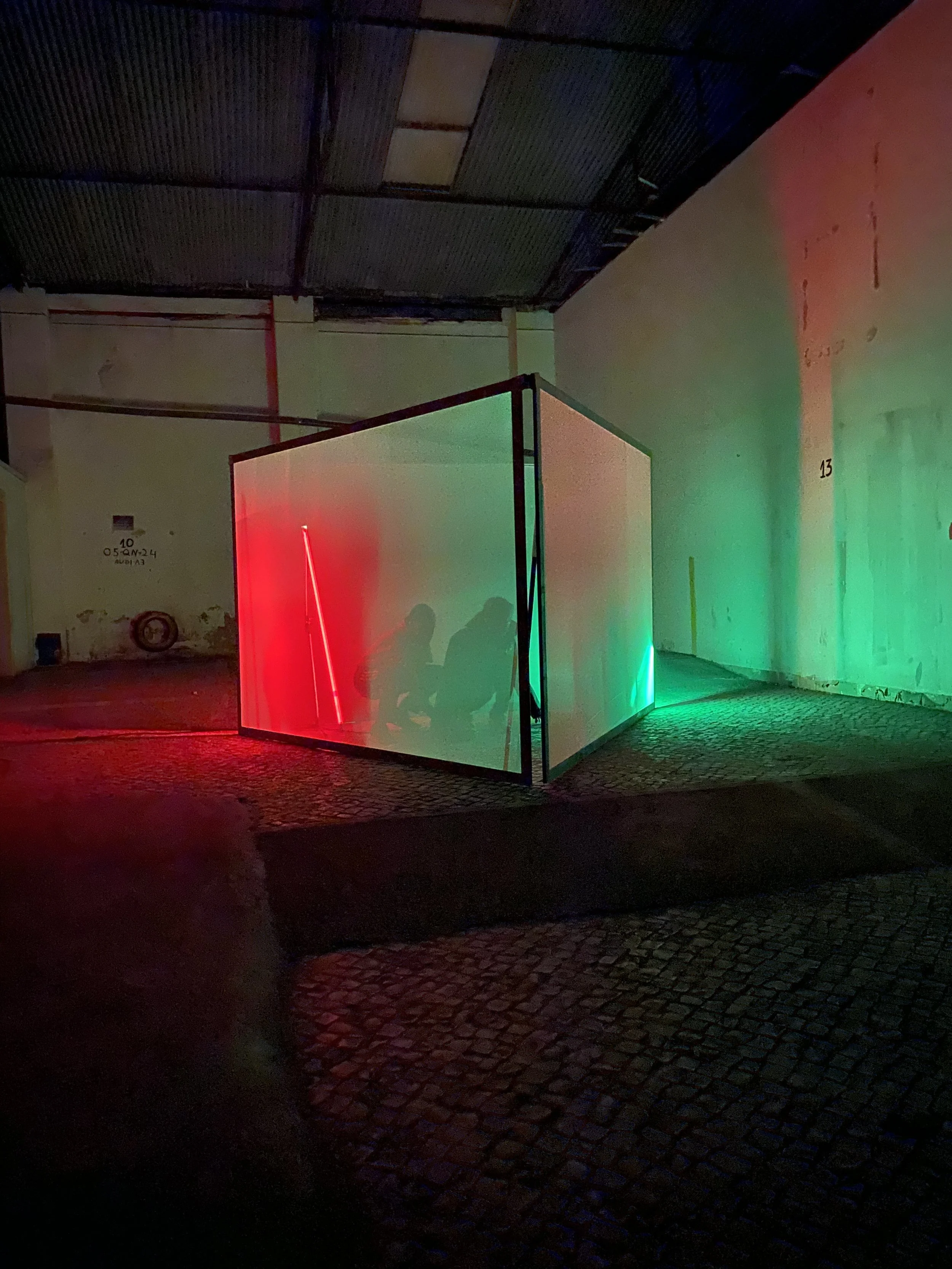
Santissima Trindade
The Screen, here intrinsically related to printmaking techniques, remains as a vehicle, applicator, and transversal element across research areas. This investigation therefore elects it as an object of study, of production, and of theoretical implication.
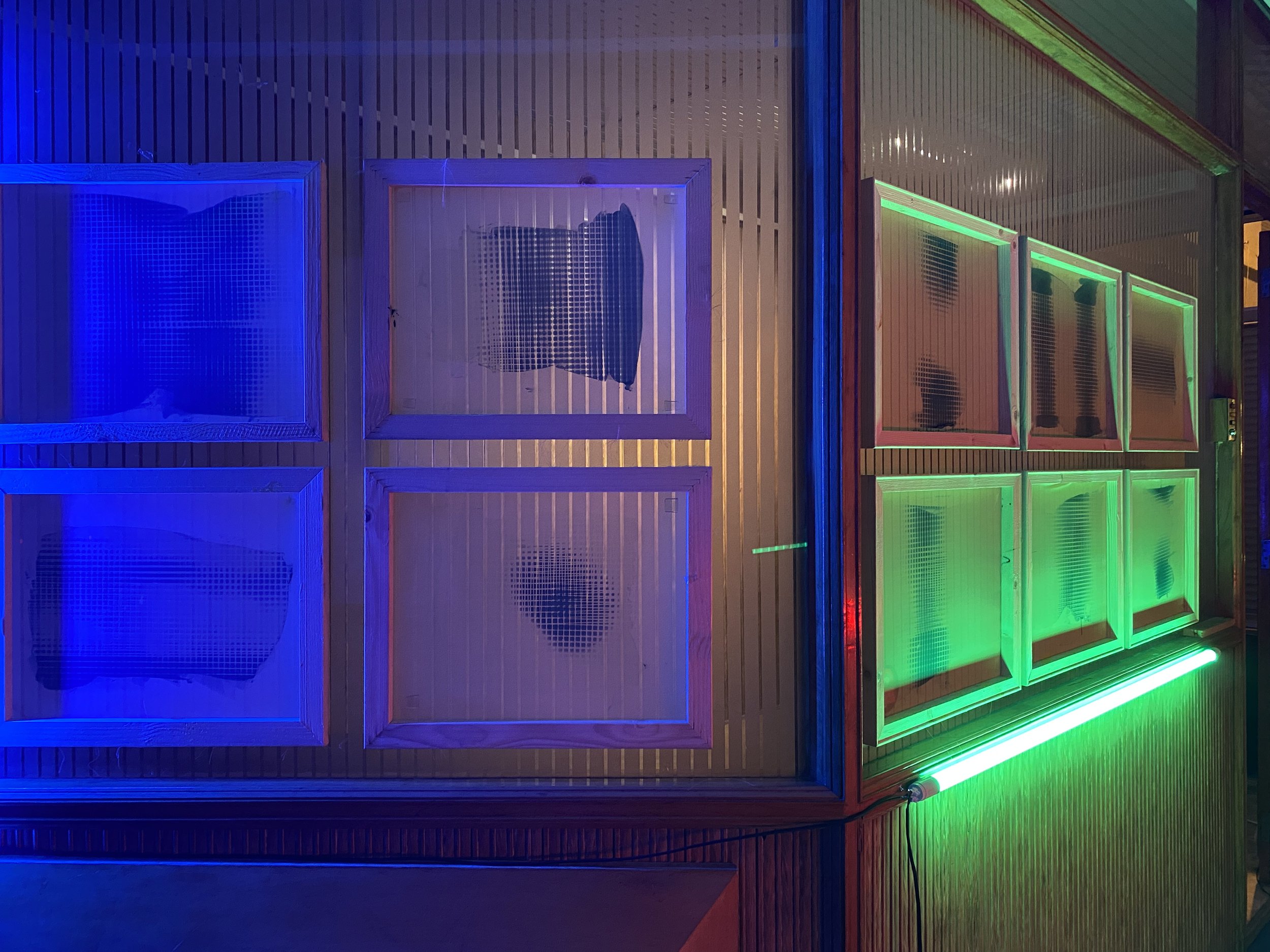
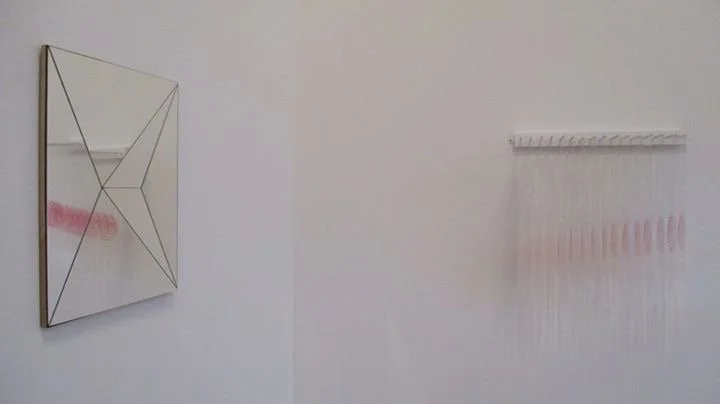
The research process behind this series of works speculates on the relationship between Body, Matrix, and Proof. Screen printing is the technology closest to the idea of the screen. It is established as a procedural mechanism for exploring new ways of thinking about the object. From the device — the Screen — emerges a discursive thought, speculating on the potential of the matrix as a final object. In the indirect or photomechanical process, the emulsion is applied to a screen printing frame, which is then placed on a UV exposure table, with a positive acetate between the frame and the table. The environment in which the frame is exposed to UV light is controlled. It is this controlled mediation between the exposure and what is mediated by the positive that is intended to be challenged. An “uncontrolled” environment is sought, where light becomes part of the result, not as a tool but as an active intervening element in creation. An alteration of this protocol is proposed, in which the conventional practice of constructing an image through this technological process is abandoned, starting to use the mesh device as a producer of drawing/image. The aim is thus to question the role of the matrix as an end, bringing to the forefront the key element in the conception of the image in screen printing — light — opening a parallel between this medium and the medium — the Screen — translated/transmuted.
The screen printing frame delimits the image generated by light — as happens on the screen — and this is materialized and embodied by the human.
This work develops a practical approach to image devices, establishing connections between printmaking and the notion of the screen. It examines the matrix’s role in both fields: as a source of multiplication in printmaking and as a means of amplification and visual diffusion on the screen. Screen printing is selected as the primary technique due to its conceptual proximity to the screen—both rely on light for image creation. The process values the unpredictability inherent in screen printing and disrupts the traditional aim of serial reproduction. In this context, light acts to transform the matrix into an autonomous element, shifting attention from the finished image to the process and reproduction protocols. By prioritising the matrix over the image, the observer is challenged to consider not only what is seen but also the mechanisms and surfaces that enable the visual experience.
Caim
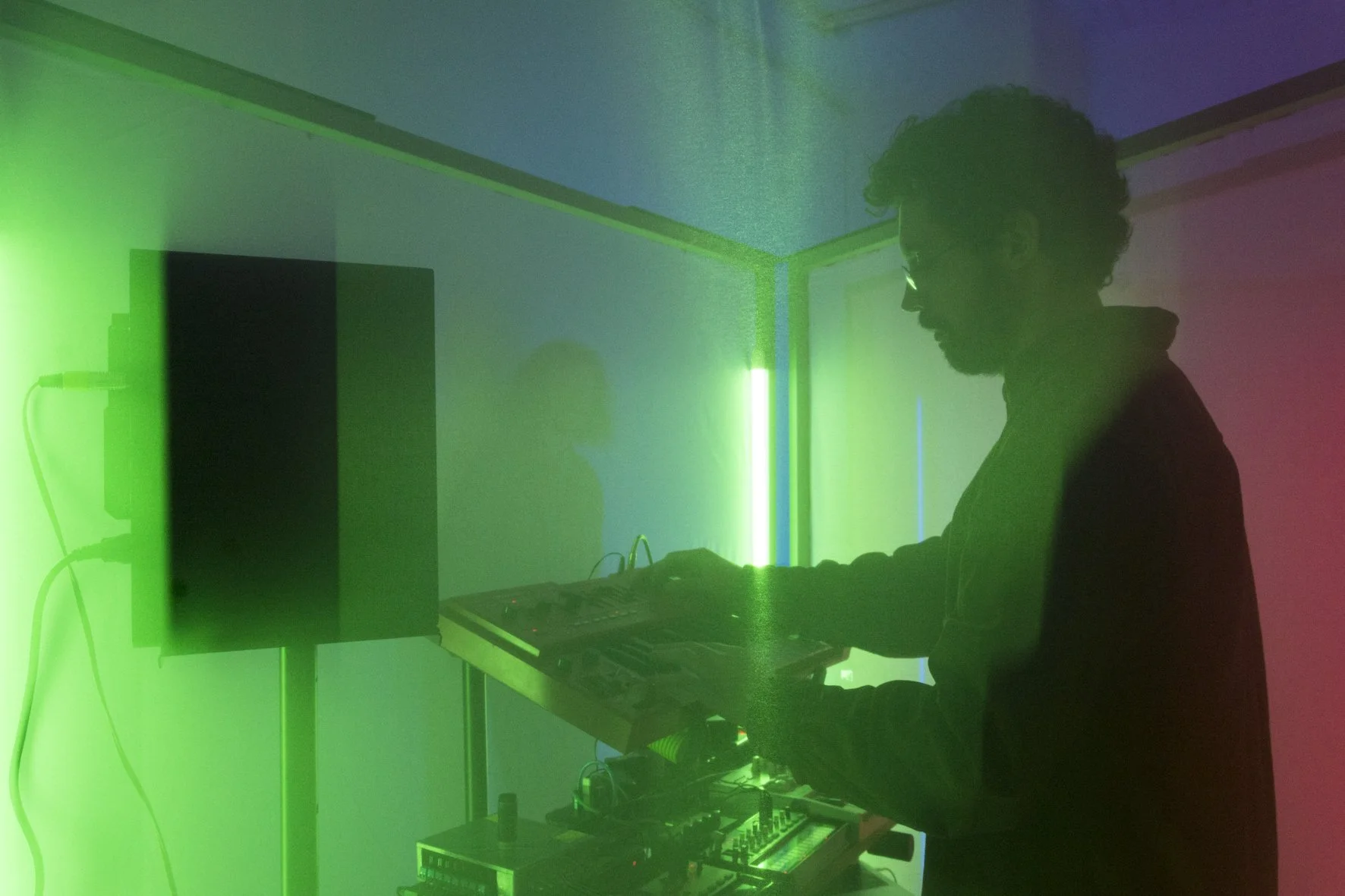
Este ensaio surge do desejo de materializar uma reflexão sobre a relação entre corpo, espaço e som. O projeto propõe condicionar simultaneamente o espaço do observador e os elementos de Quebra, a partir da construção de paisagens sonoras interdependentes, nas quais cada integrante do duo interfere e complementa a composição do outro.
Essas paisagens são acompanhadas por uma composição luminosa baseada no espectro RGB, cuja resposta visual é diretamente influenciada pelo som, ampliando a experiência sensorial.
CAIM marca o fim da dinâmica tradicional dos Quebra, atribuindo a cada elemento uma nova forma de existência. A moldura atua como dispositivo que define o campo perceptivo e visual, ao mesmo tempo em que estabelece um espaço de relação entre imagem e observador.
A transição da imagem para o espaço manifesta-se na delimitação física criada pela moldura, que provoca rupturas e reorganiza o ambiente, influenciada pela presença do corpo.
CAIM constitui-se, assim, como um ensaio autorreferencial: uma investigação sobre sua própria existência e sobre a desconstrução espacial que o faz nascer. Por meio da imagem, estabelece-se um espaço de tensão e manipulação entre olhar, percepção e narrativa do observador.
Outros Projectos
Matrix
Narciso